Bingo as a Community Across Generations

Bingo as a Community Across Generations
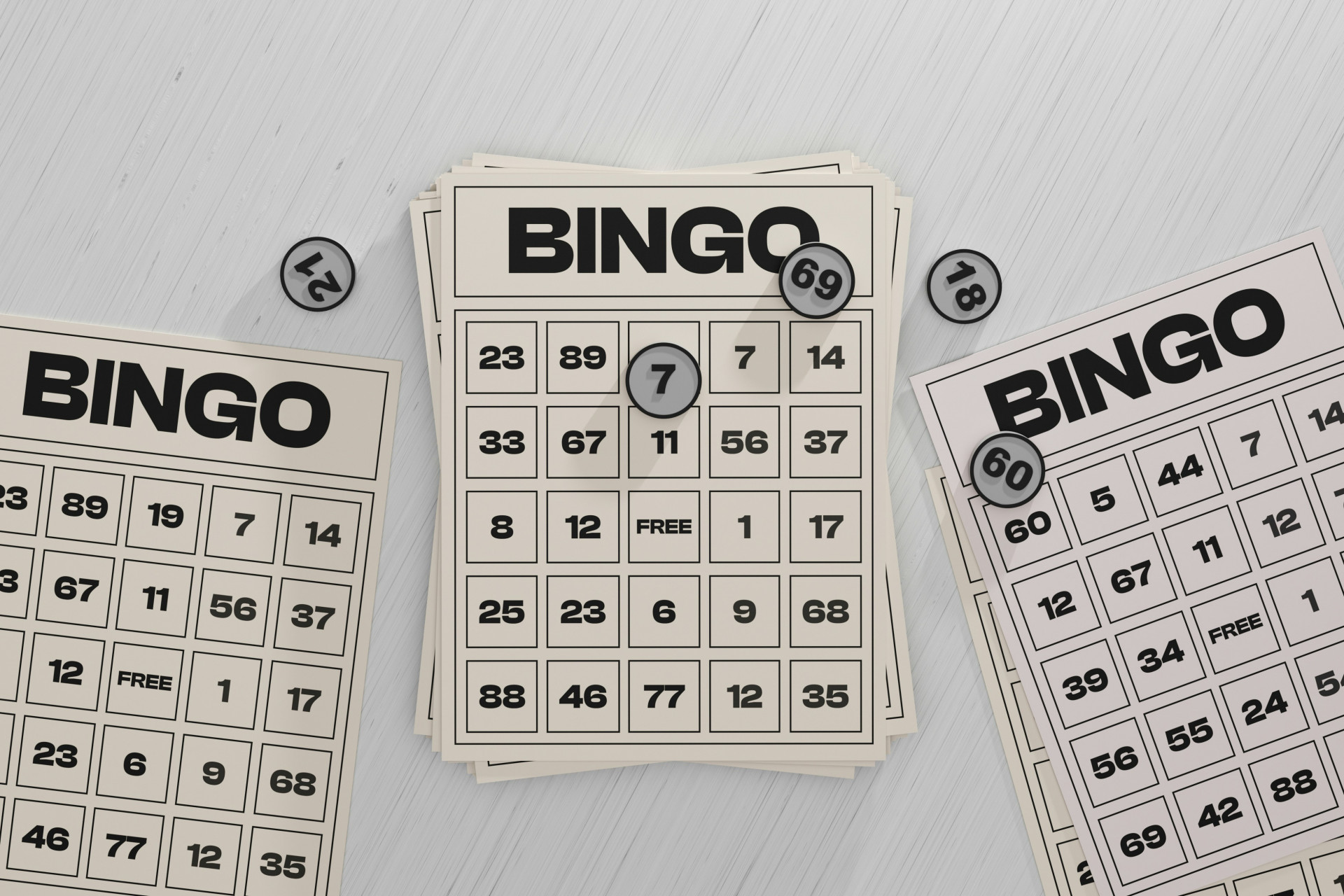
For many people, bingo brings to mind cheerful gatherings, the thrill of waiting for the next number, and the joy of calling out “Bingo!” in front of smiling faces. But beyond the excitement of winning, bingo is a social experience that connects people across ages, backgrounds, and lifestyles. In a world where digital interactions often replace face-to-face contact, bingo continues to offer a sense of belonging and togetherness.
A Game with History and Heart
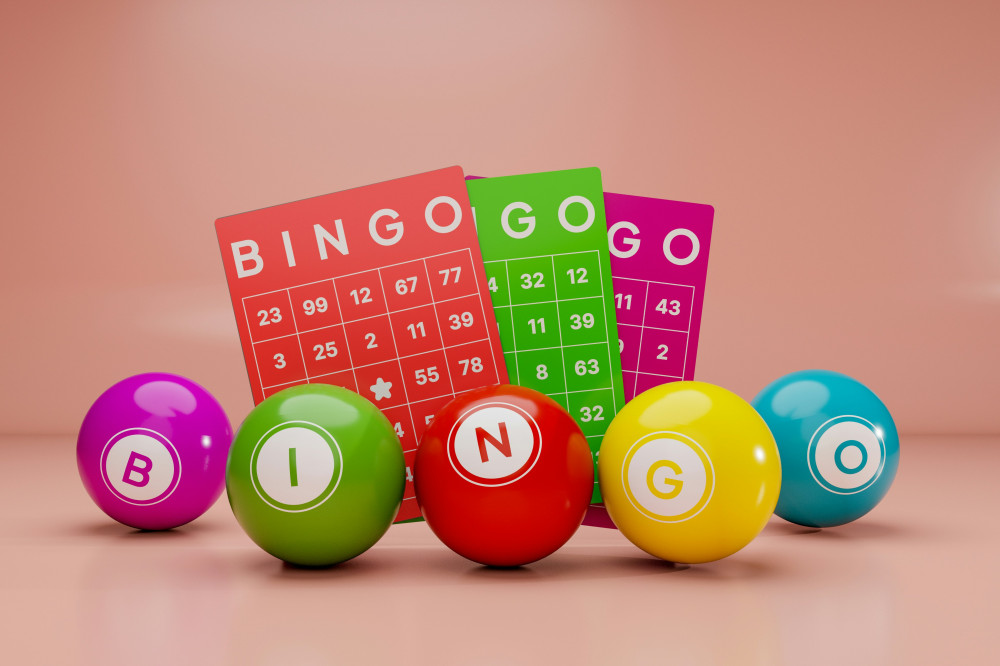
Bingo’s origins can be traced back several centuries, but in India, it has found a unique place in both traditional and modern settings. From community clubs in cities like Mumbai and Kolkata to family get-togethers in smaller towns, bingo—or “tambola,” as it is often called—has long been a favourite pastime. It is simple, inclusive, and full of laughter.
What makes bingo special is its accessibility. You don’t need special skills or experience—just a bit of luck and the willingness to join in. This simplicity allows grandparents, parents, and children to play side by side, creating a shared space where everyone feels welcome.
Community in Clubs and Homes
In many Indian neighbourhoods, bingo nights are a cherished tradition. Housing societies, senior citizen clubs, and even workplaces organise regular games, often accompanied by tea, snacks, and friendly banter. For some, it’s the highlight of the week—a chance to step away from daily routines, meet friends, and feel part of a community.
Organisers often say that the real reward isn’t the prizes but the connections formed. People share stories, exchange jokes, and celebrate each other’s wins. Over time, small rituals develop—favourite seats, lucky charms, and familiar catchphrases that only regular players understand. These little traditions are what turn a simple game into a lasting bond.
When Bingo Goes Online
With the rise of smartphones and digital platforms, bingo has also moved online. Apps and websites now allow people to play from home, yet the social element remains strong. Many online bingo communities include chat features where players can talk, cheer each other on, and even make new friends.
For older adults who may find it difficult to travel, online bingo offers a way to stay connected. For younger players, it’s a fun and casual way to unwind and interact. Whether played in a community hall or on a mobile screen, bingo continues to bring people together in new and meaningful ways.
Bridging Generations
When grandparents and grandchildren play bingo together, something special happens. The game becomes a bridge between generations—a shared language that transcends age. Older players often reminisce about how they used to play at family gatherings, while younger ones introduce digital versions and creative twists. This exchange fosters mutual respect, curiosity, and plenty of laughter.
Schools, community centres, and retirement homes in India have also embraced bingo as an intergenerational activity. It’s used not only for entertainment but also for learning—helping children practice numbers and patterns while giving elders a chance to engage socially. In these moments, bingo becomes more than a game; it becomes a tool for connection and understanding.
Læs også:


The Future of Togetherness
In a time when many people experience isolation or a lack of community, bingo offers a simple yet powerful remedy. It doesn’t require much to organise, but it can bring immense joy. Whether played in a society clubhouse, a school hall, or online, the essence remains the same: coming together, sharing moments, and feeling that you belong.
Bingo may be a game of chance, but its real magic lies in the certainty it creates—the certainty of companionship, laughter, and community across generations.
Læs også: