Is the Game Fair? How to Evaluate a Game’s Structure Without Knowing the Provider

Is the Game Fair? How to Evaluate a Game’s Structure Without Knowing the Provider
When you play a game—whether it’s an online rummy app, a fantasy sports platform, or a mobile game with in-app purchases—it’s natural to wonder: Is this game fair? But how can you tell if you don’t know who’s behind it, and there’s little information about the rules, probabilities, or oversight? Here’s a guide to help you evaluate a game’s structure and understand whether it’s designed to offer a fair experience—or to take advantage of player behaviour.
Understand the Core Mechanics
Start by examining how the game works. What actions can you take, and how are you rewarded for them? A fair game usually has clear rules where outcomes depend on either skill or chance, and both are openly communicated. If you can’t figure out what determines a win or loss, that’s a warning sign.
Ask yourself:
- Can I see how results are decided?
- Is there a logical link between effort and reward?
- Does the game change its rules or conditions without notice?
The more transparent the mechanics, the more likely the game is fair.
Læs også:



Watch for Manipulated Randomness
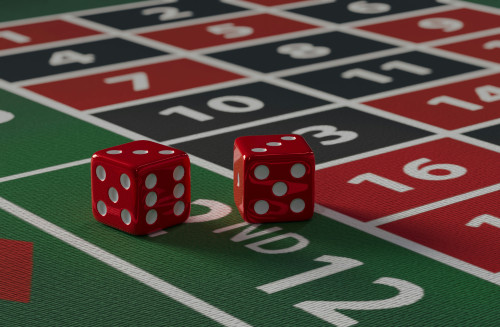
Many digital games rely on randomness—card draws, loot boxes, spinning wheels, or lucky draws. But not all randomness is genuine. Some games may be programmed to produce certain outcomes more often, or to adjust probabilities based on your behaviour.
You can test this by observing patterns:
- Do you often get “almost wins” that tempt you to keep playing?
- Do big rewards appear only after a long losing streak?
- Does the game’s pace or sound change when you’re close to winning?
These cues may be designed to influence your emotions rather than offer a real chance of success.
Examine the Reward Structure
A fair game rewards players in proportion to their effort or skill. If you find that you must spend excessive time or money for small progress, it may indicate an exploitative reward system.
Look at:
- How frequently are rewards given?
- Are rewards tied to payments or pure luck?
- Can you continue playing without paying, or are you pressured to make purchases?
Games that constantly push you with “just one more try” mechanics are often built to retain you—not to treat you fairly.
Check for Transparency in Information
One of the strongest indicators of fairness is how much information the game provides. Reputable providers usually disclose:
- RTP (Return to Player) or win probabilities.
- Rules and terms in clear, understandable language.
- Independent testing or certification from third-party auditors.
If you can’t find any of this information, be cautious. Lack of transparency doesn’t always mean cheating, but it makes it impossible to judge fairness.
In India, some regulated platforms voluntarily publish their fairness audits or RNG (Random Number Generator) certifications. Look for such details before investing time or money.
Analyse the Psychology Behind the Design
Game developers often use psychological triggers to keep players engaged—bright colours, sound effects, animations, or small “near-win” moments that release dopamine. A fair game uses these tools to entertain, not manipulate.
Be alert to:
- Frequent “almost win” effects.
- Constant reminders or notifications to keep playing.
- Random rewards that create dependency.
If you feel the game is controlling your behaviour more than you control it, the structure may not be fair.
Compare with Recognised Standards
Even if you don’t know the provider, you can compare the game’s structure with known standards from regulated markets. Games certified by authorities such as the UK Gambling Commission or eCOGRA must meet strict requirements for transparency, testing, and responsible design. In India, while online gaming regulation is still evolving, some states and self-regulatory bodies promote similar principles. If a game follows these practices—clear rules, verified randomness, and responsible messaging—it’s a positive sign.
Fairness Is Also About Experience
A game can be mathematically fair yet still feel unfair if it doesn’t respect your time or expectations. A good game gives you a sense of control, understanding, and the ability to make informed choices. When evaluating fairness, don’t just ask: Can I win?—also ask: Does it feel reasonable when I lose?
Ultimately, fairness isn’t only about numbers; it’s about trust, transparency, and respect for the player.
Læs også: