Remember Poker Hand Combinations with Simple Memory Tricks


Remember Poker Hand Combinations with Simple Memory Tricks
When you first start playing poker, remembering the order of hand rankings can feel confusing. But with a few simple memory tricks and a bit of logic, you can quickly learn which hand beats which — and why. Here’s a clear guide to help you remember the classic poker hands, so you can focus on the game instead of checking charts.
Start by Understanding the Logic
Poker hand rankings are based on probability: the rarer a combination is, the stronger it ranks. In other words, the harder it is to get a hand, the more powerful it becomes.
Once you remember this basic rule, it’s easier to place the hands in the right order — from rarest to most common.
The Classic Hands – Explained with Memory Tricks
Here are the most common poker hands, from strongest to weakest, along with easy ways to remember them.
-
Royal Flush – The ultimate hand. Five cards in the same suit from 10 to Ace. Memory trick: “The royal family rules in one colour.” It’s the most perfect and rarest hand.
-
Straight Flush – Five cards in sequence and of the same suit. Memory trick: “Order and colour walk together.” Almost a Royal Flush, just without the royal ending.
-
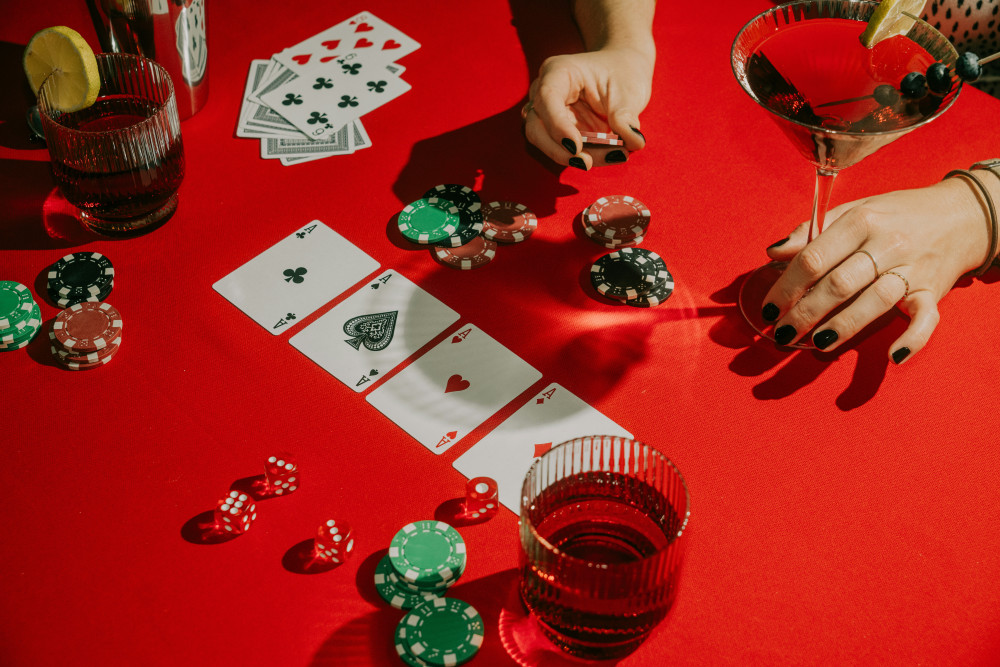
Four of a Kind – Four cards of the same rank. Memory trick: “Four twins beat almost everything.” A strong hand because there are only 13 possible ranks.
-
Full House – Three of a kind plus a pair. Memory trick: “Three friends and a couple visiting.” Two strong combinations make one solid hand.
-
Flush – Five cards of the same suit, not in sequence. Memory trick: “Colour counts, not order.” It’s all about the suit, not the numbers.
-
Straight – Five cards in sequence, but in different suits. Memory trick: “Order counts, not colour.” The logical opposite of a Flush.
-
Three of a Kind – Three cards of the same rank. Memory trick: “Three in a row bring strength.” A hand that often wins if no one has something better.
-
Two Pair – Two sets of pairs. Memory trick: “One pair is good – two are better.” Easy to remember because it builds on the idea of one pair.
-
One Pair – Two cards of the same rank. Memory trick: “A small match can still win.” The most common hand, but still better than nothing.
-
High Card – No combination, just your highest card. Memory trick: “When all else fails, the top counts.” Your backup when nothing else connects.
A Visual Way to Remember the Order
If you’re a visual learner, imagine the hands as steps on a staircase. At the top stands the Royal Flush — almost impossible to get — and at the bottom, the High Card, which appears in most games. The higher you go, the more “perfect” the hand becomes.
You can also think of it as a mix of order and uniformity:
- When the cards have both sequence and the same suit, the hand is strong.
- When they have only one of these, it’s medium.
- When they have neither, it’s weak.
Læs også:



Practice with Small Games and Memory Tricks
The best way to remember the combinations is to use them actively. Play small rounds with friends or online, and say the hand’s name aloud when you see it. You can also write the order on a small card and keep it beside you until you know it by heart.
Another tip is to connect the hands with images or stories. For example:
- “Four of a Kind” can be four soldiers standing in line.
- “Full House” can be a house full of guests — three in the living room and two in the kitchen.
- “Flush” can be a colourful rainbow.
The more vivid the image, the faster it sticks in your memory.
Once You Know the Hands – The Game Becomes More Fun
When you no longer have to think about which hand beats which, you can focus on strategy, reading your opponents, and enjoying the thrill of the game. Knowing the hand rankings isn’t just a technical detail — it’s the key to playing with confidence.
So next time you sit at the table, trust your memory tricks. They’ll help you think clearly, even when the stakes — and your heartbeat — start to rise.
Læs også: